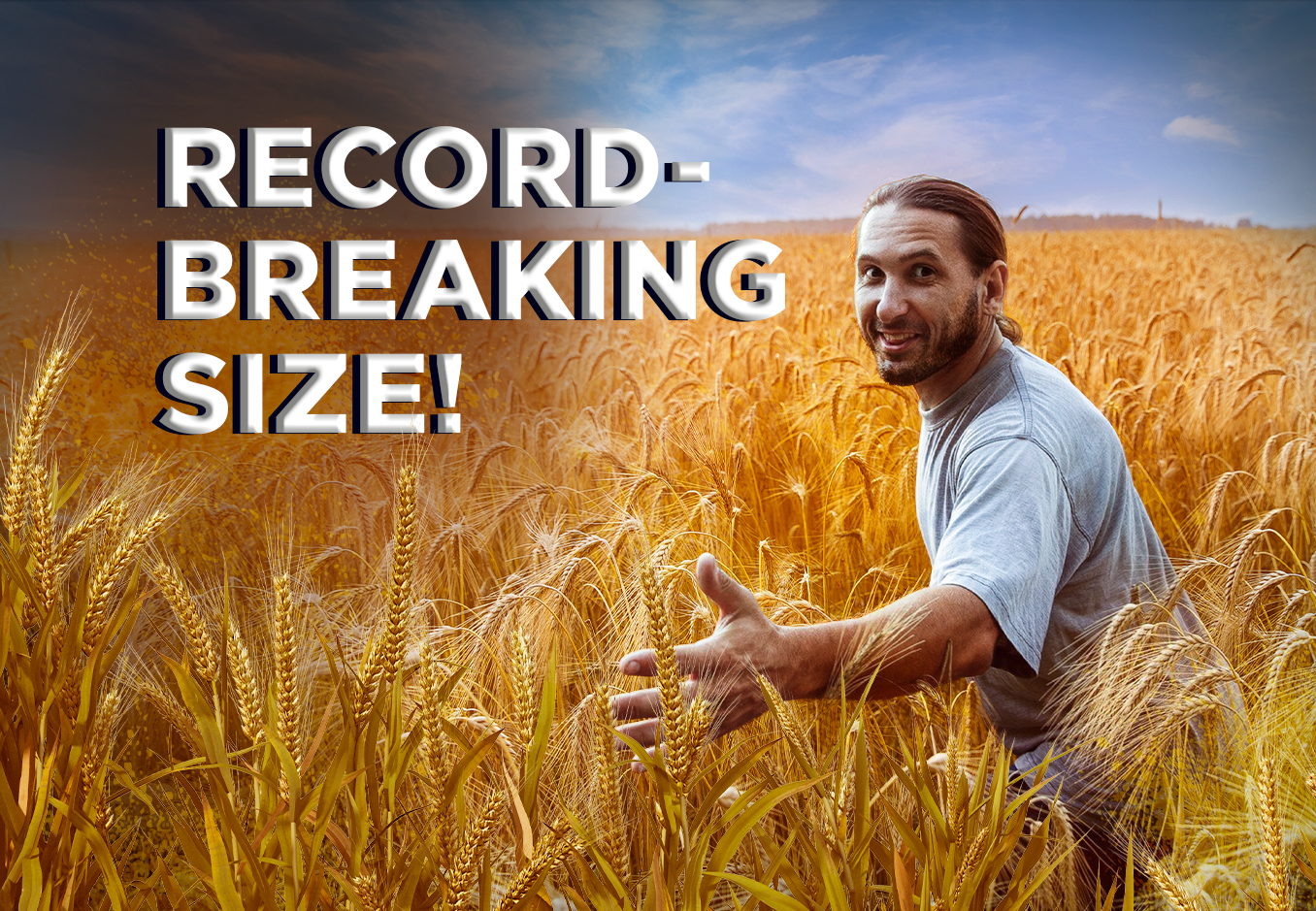
Wheat is one of the most important crops in global agriculture, and for Ukraine, it is a true foundation of the farming sector. Successful wheat cultivation not only determines the amount of grain harvested but also its quality, profitability, and competitiveness in international markets.
This video explores the essential factors that influence wheat cultivation — from the moment of sowing to the final harvest. We’ll take a closer look at the conditions required for growth, the fertilizers that make a difference, and the modern technologies that help farmers achieve record-breaking yields.
Climate conditions play a crucial role. Wheat thrives within a temperature range of 10–25°C, but sudden fluctuations can harm the crop. Winter wheat requires a period of cold to form seeds, while spring wheat grows best between 21–24°C. However, temperatures above 32°C cause stress, significantly reducing yield.
Water management is another key to success. Winter wheat requires irrigation immediately after sowing to ensure uniform germination and strong root establishment. Spring wheat, on the other hand, has high water demands during germination and early growth, making frequent and moderate watering essential. The peak water requirement occurs during flowering, when up to 0.5 cm of moisture per day is necessary. Maintaining proper soil moisture at this stage ensures healthy grain formation.
Fertilization also plays a critical role. Wheat requires a balanced supply of macro- and microelements, including nitrogen, phosphorus, potassium, calcium, magnesium, iron, zinc, manganese, boron, and copper. Each of these nutrients contributes to stronger stems, improved resistance to diseases, and higher yields.
Today’s wheat farming has entered the era of digitalization. Where farmers once walked across fields to monitor crop health, they now rely on smartphone apps that display data on moisture levels, fertilizer needs, and disease risks. Advanced agrotechnologies make it possible to predict yields before harvest by analyzing soil conditions, weather data, and drought risks.
Spraying drones are no longer futuristic — they are a part of everyday agriculture. One drone can treat up to 20 hectares per hour, saving both time and resources.