INDUCTION OF DEFENSIVE REACTIONS IN PLANTS – THE ELICITOR CHITOSAN
The first mention of “modified chitin,” obtained as a result of its deacetylation, which could then be dissolved in acetic acid, appears in the works of Charles Rouget in 1859. However, the name chitosan was first used by Felix Hoppe-Seyler in 1894. Following these initial discoveries, significant interest arose in chitin and its primary derivative, chitosan, across many fields of application. Chitosan was first industrially produced in Japan in 1971.
Currently, chitosan is a collective name for a group of polysaccharide biopolymers formed by the full or partial N-deacetylation of chitin (Fig. 1), which is the most abundant renewable material on earth after cellulose. It consists of copolymers of β-1,4-linked d-glucosamine and N-acetyl-d-glucosamine units.
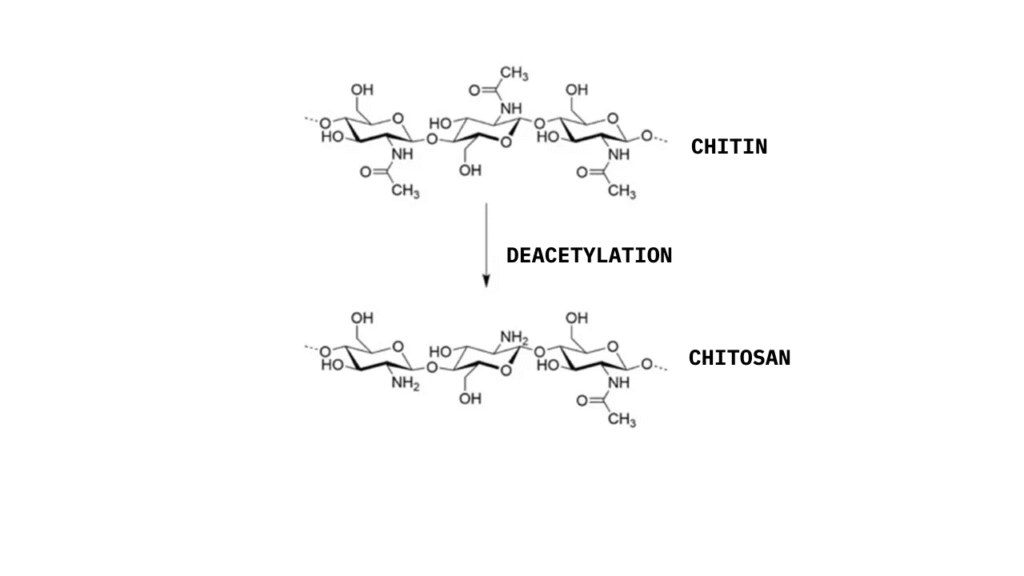
Figure 1. Illustration of the chemical structure of chitin and chitosan
The key functions of chitosan in agriculture in general, and in plant cultivation in particular, are shown in Fig. 2.
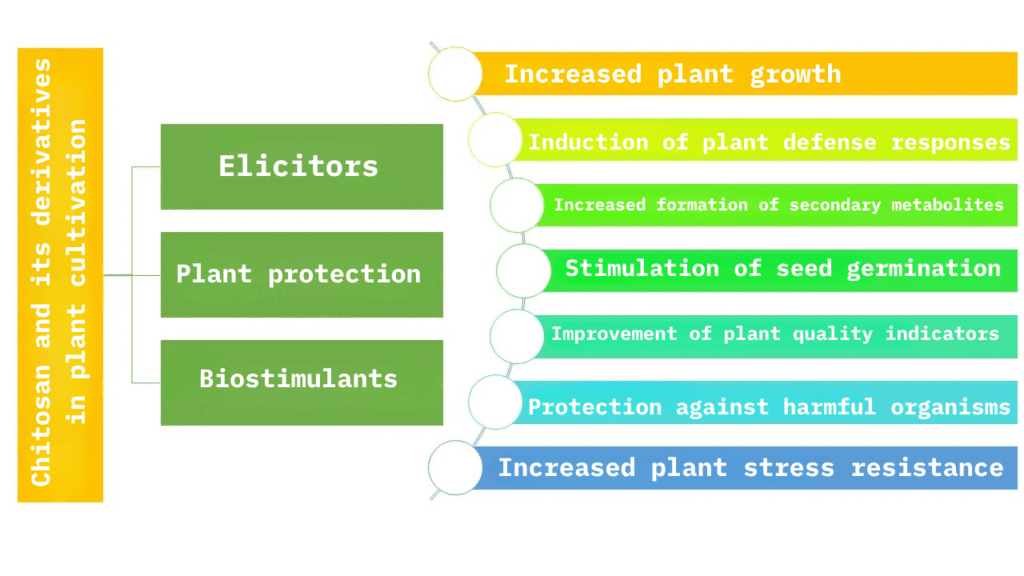
Figure 2. Key functions in plant cultivation
Numerous studies in various countries around the world on a wide range of plants have conclusively proven the effectiveness of chitosan and its derivatives for agriculture. For example, back in 2005, Hyun-Jin Kim et al. conducted a study which found that after treatment with the elicitor chitosan, the growth in weight and height of sweet basil increased significantly by approximately 17% and 12%, respectively. This study demonstrates that an elicitor such as chitosan can effectively induce phytochemicals in plants, which may be another alternative and effective means instead of genetic modification.
Lisa DeGenring et al. found that the application of chitosan reduced the incidence and severity of disease on apple trees by 55% on the fruit compared to a water control. Chitosan also reduced the occurrence of sooty blotch, flyspeck, and rust on the fruit. Furthermore, a chitosan + biopesticide treatment, superimposed on a standard grower spray program, reduced disease more effectively than the standard grower treatment alone. However, this effectiveness was dependent on the cultivar and pathogen. This study provides evidence that pre-harvest applications of chitosan have the potential to manage diseases in apple production.
Ya-jing Guan et al., by treating the seeds of two inbred maize lines, the hybrid HuangC (chilling-tolerant) and Mo17 (chilling-sensitive), before sowing by applying 0.25%, 0.50%, and 0.75% (w/v) chitosan solutions at 15°C, studied the effects on the growth and physiological changes of seeds and plants.
They found that although chitosan seed treatment had no significant effect on the germination percentage under low-temperature stress, it increased the germination index, reduced the mean germination time, and increased shoot height, root length, and the dry weight of shoots and roots in both maize lines.
Since 1979, when Allan and Hadwiger announced chitosan as a biofungicide, it has attracted great attention in the field of plant protection research. Furthermore, its use in controlling plant diseases caused by bacteria is also well-documented. The effectiveness of chitosan against various pests and pathogens (Table 1), as well as its positive impact on biochemical processes in plants, is covered in a significant number of scientific articles. Therefore, from the large collection of chitosan research, we have included only a few examples.
Table 1. Protective mechanisms induced by chitosan
| Crop | Concentration | Pathogen | Defense Mechanism | Application Method | Researchers |
| Carrot | 1 % (w/v) | Sclerotinia sclerotiorum | antifungal activity | in-vitro | Cheah, L. et al. (1997) |
| Cucumber | 0.2 g L-1 | Botrytis cinerea | fungicidal action | foliar application | Ben-Shalom, N. et al. (2003) |
| Cucumber | 1 % (w/v) | Sphaerotheca fuliginea | fungicidal action | Petri dish treatment | Moret, A. et al. (https://www.google.com/search?q=2009) |
| Peach | 0.2 g L-1 | Monilinia fructicola | antioxidant and fungicidal actions | dipping in solution | Ma, Z. et al. (2013) |
| Tomato | 1 mg / mL | Alternaria solani | fungicidal action | foliar application | Sathyabama, M. et al. (2014) |
| Tomato | 1 % (w/v) | Fusarium oxysporum f.sp. Lycopersici | fungicidal action | foliar application | Sathyabama, M. et al. (2015) |
It demonstrates strong resistance to microbial diseases and insecticidal activity against various plant pests. However, it has been found that chitosan derivatives are potentially more harmful to pests. For these reasons, more chitosan derivatives have recently been developed – one of which, N-2-chloro-6-fluorobenzyl-chitosan, proved to be lethal against the oleander aphid (Aphis nerii) and the larvae of the Egyptian cotton leafworm (Spodoptera littoralis) on cotton crops.
Chitosan triggers plant resistance mechanisms to drought. Drought stress is one of the most significant multidimensional environmental factors that damage the physiology, biochemical properties, and molecular characteristics of plants.
For example, young apple seedlings were sprayed with this element, which enhanced antioxidant activity, reduced electrolyte leakage, and restored moisture content under continuous drought stress for 35 days. Induction of drought resistance has also been reported in potatoes, rice, white clover, and grapevines through induced antioxidant activity, increased endogenous H2O2 content, and optimal root system development.
The impact of chitosan on physiological processes in plants is significant, as confirmed by numerous studies (Table 2).
Table 2. Studies on the effect of chitosan on the agronomic properties of horticultural crops.
| Crop | Functions | Researchers |
| Cucumbers | Stimulation of vegetative growth and fruit quality | Shehata, S. et al. (2012) |
| Eggplant | Improved antioxidant activity and total phenolic content | Mandal, S. et al. (2010) |
| Potato | Increased fresh weight of tubers and total yield | Amini, J. et al. (2015) |
| Radish | Enhanced nutrient uptake efficiency and minimization of cadmium stress | Farooq, S. et al. (2011) |
| Tomatoes | Increased fruit number and total yield | Sathyabama, M. et al. (2015) |
Chitosan as a fertilizer and a substance for their protection.
Environmental toxicity is at a critical point due to the high level of production and use of inorganic fertilizers. Thus, biodegradable biofertilizers, such as chitosan, are attracting the research community. Chitosan is enzymatically degraded without affecting the beneficial rhizosphere biota in the soil at low concentrations, and it also induces symbiotic exchange between the plant and microorganisms. Furthermore, chitosan is a polysaccharide-based biopolymer that stimulates the activity of symbiotic plant microorganisms, leading to a change in the rhizosphere microbial balance, thereby harming plant pathogens.
In recent studies, chitosan has been used as a biofertilizer to increase crop yields with less environmental pollution. According to the results, chitosan combined with lysozyme demonstrated a favorable effect, where it significantly reduced the level of tomato stem infection to 14%. Potato late blight is a common disease that causes economic damage to the crop. However, after inoculating the soil with chitosan as a biofertilizer, a significant reduction in tuber infection by late blight was observed, and a significant increase in plant nutrient uptake was also recorded. The study was conducted for the production of organic potato seed. Similarly, 1% chitosan mixed with fertilizer improved the nitrogen and phosphorus content in the roots and shoots of Eustoma grandiflorum compared to plants grown in mixed soil without chitosan. In Chinese cabbage, plants treated with a chitin-based product showed faster growth than plants treated with a standard mineral fertilizer. In another study, it is combined with N, P, K fertilizer showed a significant effect on gray mold caused by Botrytis cinerea in winter-flowering begonia, and also increased antioxidant activity and other commercial properties. In addition, soil supplemented with chitin improved plant growth by enhancing nutrient uptake.
Regarding the prospects for further research, we see the future development of the agrochemical industry in the technology of adding chitosan to mineral fertilizers. This will not only contribute to an actual increase in crop yields but will also activate the physiological defense mechanisms of plants to fully realize the biological potential of the species.
If you’re interested in implementing chitosan-based solutions in your agricultural practices or would like to learn more about the latest biostimulant technologies, feel free to get in touch with us.
📩 Email: info@wonder-corporation.com
📞 Phone: +38 067 0000 304
Our experts will gladly assist you in selecting the right solution to enhance your crop resilience and unlock their full genetic potential.