ADJUVANTS AS AN ENVIRONMENTAL PROTECTION FACTOR
ADJUVANTS AS AN ENVIRONMENTAL PROTECTION FACTOR
The use of pesticides worldwide is increasing year by year (Fig. 1). Pesticides (from Latin
pestis — plague, caedo — I kill) are toxic substances, their compounds, or mixtures of chemical or biological origin, intended for the destruction, regulation, and cessation of the development of harmful organisms, whose activities affect plants, animals, people, and cause damage to material assets, as well as rodents, weeds, woody and shrubby vegetation, and invasive fish species.
 Figure 1. Pesticide use according to agricultural land area (2022)
The classification of pesticides is based on their ability to destroy specific harmful organisms. Consequently, there are insecticides that affect insects, fungicides that help overcome plant diseases caused by fungal pathogens. Herbicides that destroy weedy vegetation in agricultural crops, and many other types of pesticides.
At the same time, pesticides can have a negative impact on health and the environment through soil and water pollution and effects on non-target species. Which can reduce biodiversity and harm living organisms, including humans.
Herbicides account for the largest share of pesticide use globally (Fig. 2).
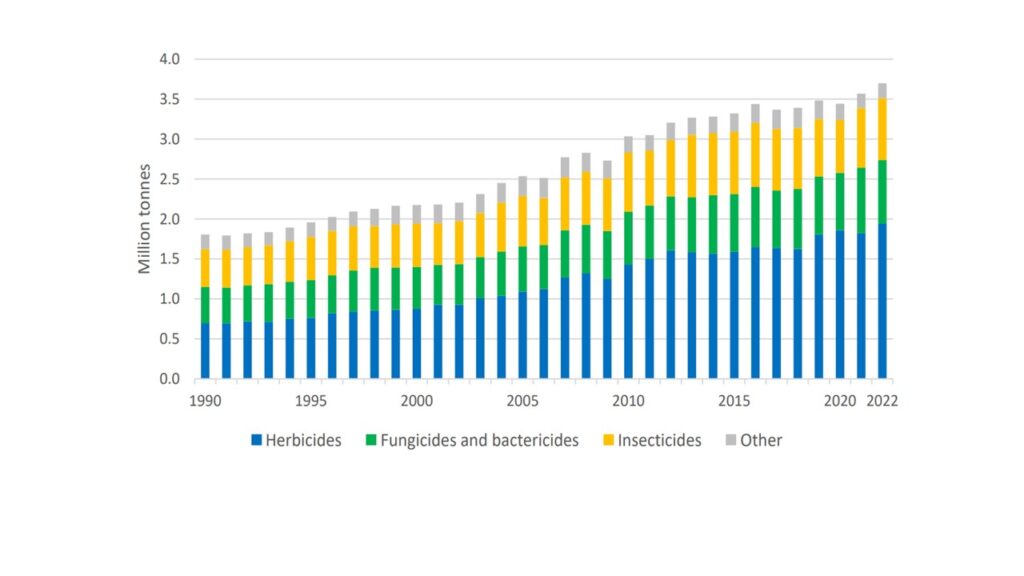
Figure 2. Global pesticide use by category
It is evident that the global community is trying to develop and implement measures to reduce the use of pesticides in general, and herbicides in particular, especially considering the devastating effects of Agent Orange. It was later discovered that the substances in this mixture cause mutations and irreversible changes in the bodies of people who came into contact with the chemicals.
The negative effects caused by herbicides and other pesticides are undoubtedly significant. However, the damage caused by weedy vegetation in the context of yield formation is also substantial, especially considering that the seed bank of weeds in the tilled soil layer is such that this vegetation could continue to germinate for the next million years.
This does not yet account for the impact of insects and diseases, which can significantly reduce crop yields, making it impossible to achieve desired yields without the use of insecticides and fungicides.
At this point, humanity faces a vicious cycle of problems: in a world where the population is growing exponentially and the number of starving people is increasing, reducing crop yields would be nearly as significant an ecocidal factor as the application of excessive doses and harmful forms of pesticides.
Therefore, this is precisely where the need arises to find a solution that can optimize all factors. One of the factors that can positively contribute to this is adjuvants.
Adjuvants are chemical or natural substances usually mixed with pesticides to enhance their effectiveness or reduce off-target movement by modifying the physical properties of the spray solution, such as surface tension, droplet size, and spreading ability. Ultimately improving pesticide adhesion and coverage on target surfaces.
In the journal Frontiers in Agronomy (Vol. 6, 2024), a group of scientists from different countries published a study indicating that adjuvants can enable the use of lower herbicide doses than usually recommended without compromising efficacy, thereby contributing to the goal of reducing herbicide use by 50% by 2030 in Europe. Furthermore, literature review results indicate that adjuvants significantly improve weed control by enhancing the effectiveness of active ingredients. With efficacy increasing by up to 50% compared to using herbicides alone. Integrating adjuvants into herbicide tank mixes is promising, especially for managing herbicide-resistant weeds and achieving effective weed control.
But what are the main effects of adjuvants in enhancing pesticide efficacy? A group of scientists from the USA published a study in the journal Spectrochimica Acta Part A: Molecular and Biomolecular Spectroscopy in 2025, which found that the non-ionic surfactant alkylphenol ethoxylate, a common active ingredient in most surfactant adjuvants, significantly increased the penetration depth of thiabendazole by 93.3% in spinach and 21.4% in apples. It also enhanced the characteristic peak intensity by 73.52% in spinach and 152.24% in apples at a depth level of -60 μm after a 3-day exposure (Fig. 3).
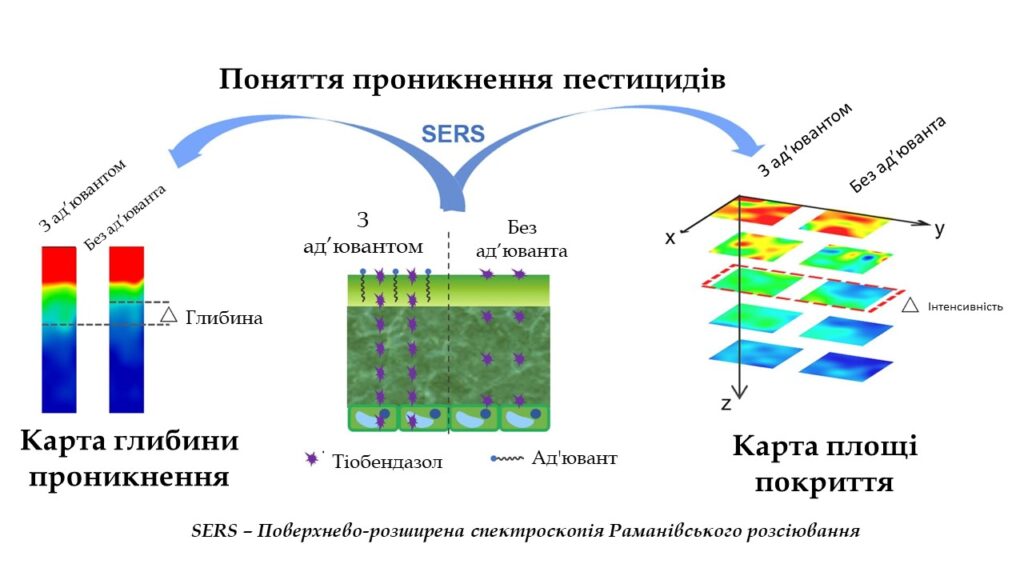
Малюнок 3. Візуалізація проникнення фунгіциду на основі тіобендазолу з та без ад’юванту.
Figure 3. Visualization of thiabendazole-based fungicide penetration with and without an adjuvant.
We at Wonder understand the importance of conserving biodiversity, increasing yields, and enhancing the efficiency of pesticide use. Therefore, we have developed a line of adjuvant products that will help achieve a balance in controlling harmful organisms, preserving the environment, and increasing yields.
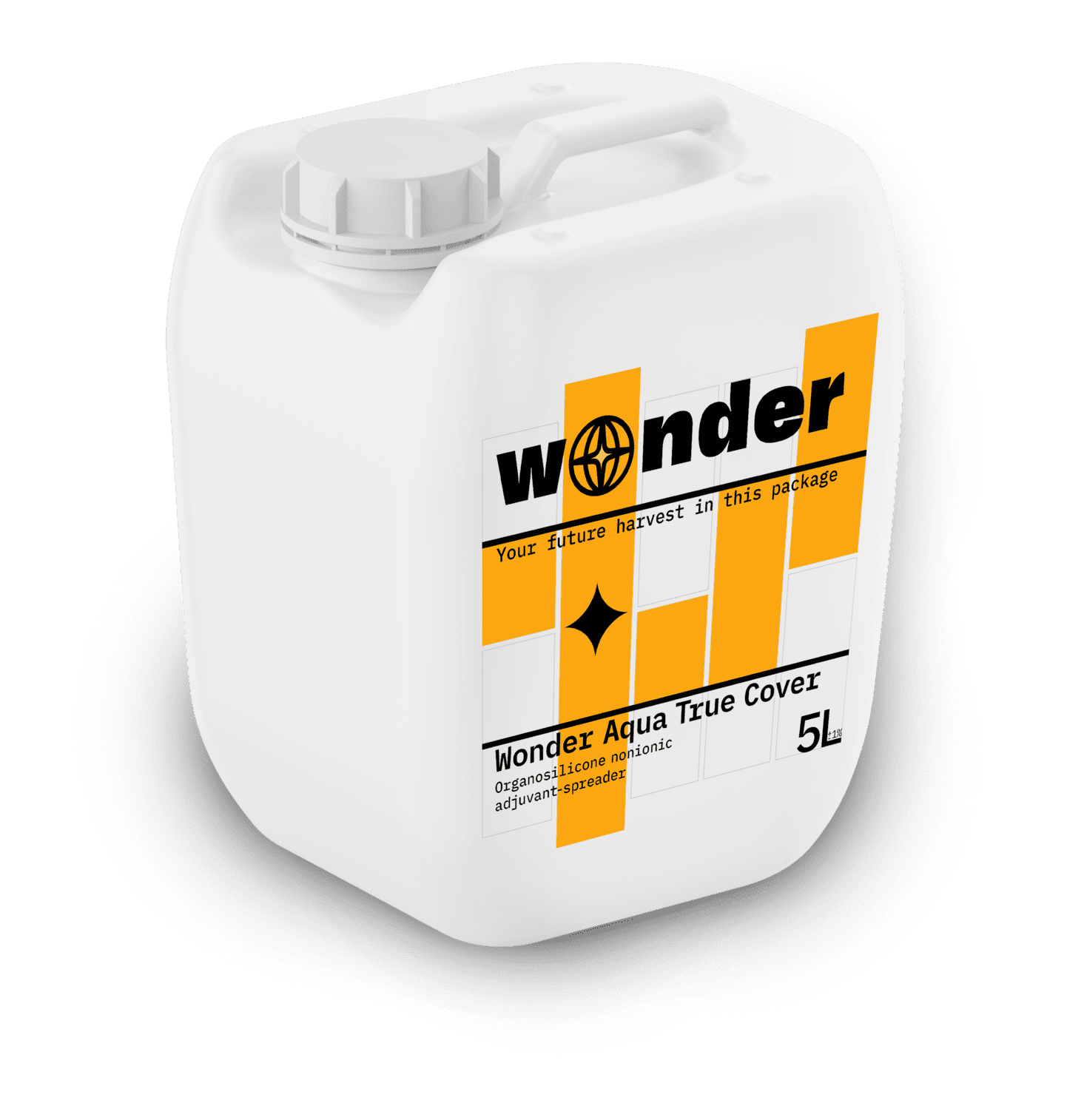
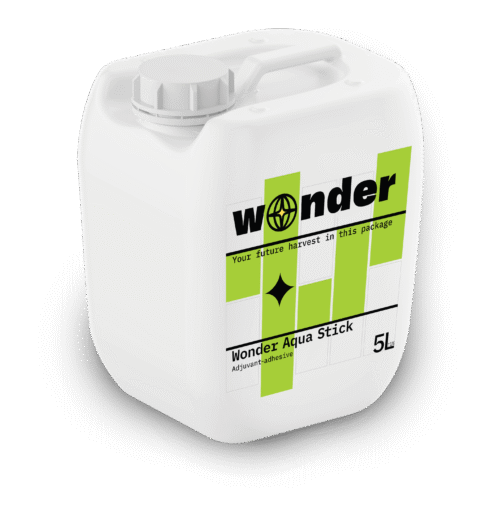
Among the products in the Wonder Aqua line is the organosilicone non-ionic surfactant Wonder Aqua True Cover – an adjuvant that does not remove the waxy cuticle from the leaf surface of plants and helps reduce the surface tension of the working solution droplets. Thereby actively increasing spreading. Wonder Aqua Stick is also a non-ionic surfactant whose active ingredient consists of alcohol ethoxylates. This allows it to affect the dissolution of the waxy cuticle on the plant leaf surface and improves the penetration of the herbicide’s active ingredient into deeper tissues. Thereby increasing the herbicide’s effectiveness.
Add Wonder Aqua to every pesticide application – take care of your yield and protect the environment!
✅ Call us to place an order or learn more about partnership opportunities: +38 067 0000 304
#fertilizers #plantnutrition #foliarfeeding #sowingseason #manufacturer #factory #Wonder