Plant cells are in constant communication with each other to coordinate their developmental processes and responses to environmental factors. Under stressful conditions, such communication allows plant cells to adjust their activities and development. This is due to the activity of intercellular signaling, which includes several components. Can nutrients act as signals under abiotic stress in plants?
 Plant cells are in constant communication with each other to coordinate their developmental processes and responses to environmental factors. Under stressful conditions, such communication allows plant cells to adjust their activities and development. This is due to the activity of intercellular signaling, which includes several components. Can nutrients act as signals under abiotic stress in plants?
In plant development, signal transmission between cells is provided by mobile signaling hormones. These include hydrogen peroxide (H₂O₂), nitric oxide (NO) or hydrogen sulfide (H₂S). Several transcription factors and small RNAs are also involved in this process.
Mineral Nutrients, including macro- and microelements, are determining factors for plant growth and development. They are currently recognized as potential signaling molecules.
The aim of this article is to assess the role of nutrients as signaling components. Special emphasis is placed on the mechanisms of plant response to stress conditions.
In their natural habitat, plants are exposed to numerous environmental stresses. These include soil salinity, nutrient deficiency, drought, extreme temperatures, and heavy metals. Since plants cannot move, they must be provided with adequate strategies to cope with and resist these adverse conditions.
The ability of a plant species to survive under adverse climatic conditions depends on its capacity to provide a rapid response. It must immediately counteract the detrimental effects of stress.
It is known that abiotic stresses cause a variety of stimuli, which are perceived by different signaling molecules. These include:
1 – Hydrogen peroxide (H₂O₂).
2 – Nitric oxide (NO).
3 – Hydrogen sulfide (H₂S).
4 – Melatonin or phytohormones.
These signaling molecules constitute an early response to environmental challenges.
Plants can sense and perceive at any stage of development any signal generated by any abiotic stress factor, which is often transmitted within the cytosol (the liquid contents of the cell), leading to increased gene expression and protein synthesis. Consequently, plants activate early stress signaling mechanisms within seconds to hours to acquire stress tolerance.
Three main steps are involved in the plant response to stress:
- perception of adverse environmental conditions (extracellular signals),
- signal transduction
- and, finally, the formation of an adequate response.
Indeed, stress is sensed in various cellular organelles. After this, several signaling events occur, involving second messengers and regulatory proteins such as protein kinases. In response to external stimuli, a cascade of protein phosphorylation is initiated. Many changes in gene transcription occur, leading to the synthesis of new proteins or the modification of existing ones. These processes are crucial in plant responses to stress. Can nutrients act as signals under abiotic stress in plants?
Numerous studies have been conducted to examine the response of plants to macro- or micronutrient deficiencies. The results have shown changes in growth parameters and the induction of mechanisms involved in the acquisition of each specific element.
In general, these mechanisms include the regulation of nutrient fluxes across the plasma membrane and cross-talk between the hormones H₂O₂ and NO. Ultimately, their involvement in abiotic stress signaling in plants has received less attention, with the exception of the element calcium.
Indeed, the best-known example so far is calcium signaling. Only a few studies have indicated that, in addition to plant nutrition, macro- and micronutrients can act as signals to activate plant responses to abiotic stresses. This dual role of nutrients is explained by their ability to act as a master switch of plant metabolism under adverse environmental challenges. Changes in the concentration of some elements, such as Ca2+, K+, N, and others, cause adjustments in cellular metabolism, affecting the expression of many genes and the activity of a multitude of enzymes, allowing plant cells to redirect large amounts of energy to defense responses.
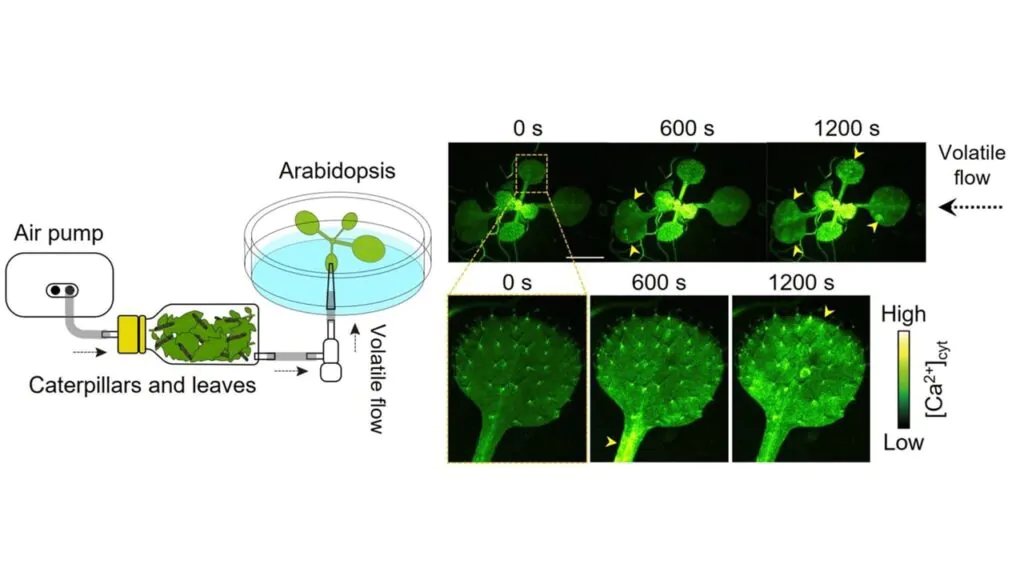
Indeed, under abiotic stress conditions, the plant’s ability and its efficiency to adjust or trigger multiple metabolic networks is a determining factor in its acclimatization and survival under stress conditions. This adaptive response involves root-shoot and shoot-root communication involving a variety of long-distance signaling molecules, including nutrients, hormones, assimilates, peptides. For example, roots exposed to salt initiate a long-distance systemic wave by increasing cytosolic Ca2+ across the endodermis (the inner layer of cells in the root cortex and some stems that surrounds the vascular bundle) and cortex, which induces overexpression of the genes SOS1 (salt-sensitive 1), SOS2, and CBL (calcineurin B-like protein) in the shoot.
As a source of micro and macro elements, we recommend Wander fertilizers, namely Wonder Leaf Yellow, Wonder Leaf Blue, and other cristalline fertilizers, as well as liquid fertilizers – Wonder Leaf Mono B11, Wonder Leaf Mono Mn 11
Thus, mineral nutrients should be added to the list of the most common signaling molecules, including hormones, NO, H2S or H2O2. Due to their dual role, plant nutrition and signaling under biotic and abiotic stresses, nutrients are of essential importance in plant biology.